Submitted by gouki on 2011, April 3, 9:27 PM
这两天因为在家,所以买了本程序员合订本(好象是叫什么精华本),里面说了一件事情就是好象在04年,网易开始取消个人免费空间了,然而也就在同 年,gmail横空出世,使得当时很多卖收费邮箱的公司一下子很郁闷。虽然gmail当时需要邀请但只要有了邀请,就可以有100个邀请名额。。相对来说 获得邮箱还是很方便和轻松的。
gmail里还有小的彩蛋,就是那个出名的:上上下下左右左右BA,会出来一个ninja
于是在看keso的博客里看到这个gmail改变了什么,我就复制了一下。。。
问:Gmail改变了什么?
答:这个话题很应景,正好是Gmail的7岁生日。Gmail改变了什么?
- 电子邮箱不能再按存储空间的兆数(MB)卖钱了,GB时代取代了MB时代;
- JavaScript的用处不再只是弹出网页对话框或状态栏滚动字幕,Ajax成为一门显学;
- 电子邮件的存在形式不是“封”,而是“会话”,按主题来组织邮件成为潮流;
- 电子邮箱一定要有文件夹吗?谁规定的?为什么不可以是“label”?
- 免费邮箱不一定非得用一些花里胡哨的广告骚扰用户,相关性广告可能更有效;
- 邮箱并非只能用来收邮件,聊天也行,插入第三方应用也行;
- 找一封7年前的邮件真的不需要那么费劲;
- 还有很多,很多⋯⋯
其实Gmail最大的改变在于,某些看似很老的东西,如果用户仍然对它有需求,但又有大量的不满,说明它仍有巨大的创新空间。
原文来自:http://blog.donews.com/keso/archive/2011/04/01/1583677.aspx
但即使是这样,google Wave还是死掉了。而且,由于google wave的配置也太复杂,虽然开源了,但个人用户也无法用来安装。否则的话,尝试在局限网内进行网络会议的时候还是有点作用的。
图片附件(缩略图):
Tags: gmail, netease, 163, 网易
Misc | 评论:0
| 阅读:20493
Submitted by gouki on 2011, April 2, 9:47 PM
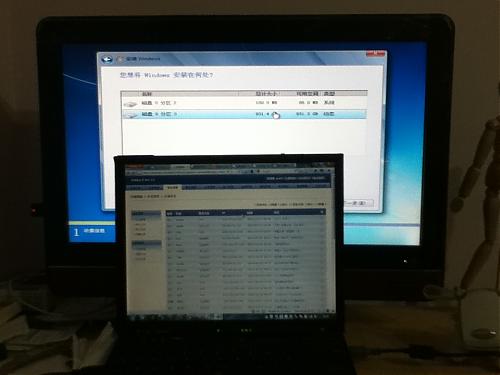
最近,几乎每天都会出现一两次这个问题,目前尚不明白是什么原因导致,问了一下google,以为是驱动问题,但相应的,N系列的驱动经过这么多年的发展,应该可以完全支持WIN7了吧。单位的N系都没有这个问题。。
当然我不希望是硬件出现问题。那就凄凉了。
Misc | 评论:5
| 阅读:18779
Submitted by gouki on 2011, March 31, 11:10 PM
在介绍mklink之前,我先说一下junction,关于它,我写过两篇 博客
所以我现在不作多介绍了。。
之所以要说mklink,主要缘于,在win7操作系统下,junction这个功能,其实 是自带了。而且功能也不差,具体可以看看这个.
-------
2019年,重打开此文章吧。不再隐藏了。win7都没了,当时写一半没了。哭!
图片附件:
Tags: mklink, junction
Software | 评论:0
| 阅读:11182
Submitted by gouki on 2011, March 31, 10:21 PM
在转载这一篇文章之前,我想,做为一名开发人员,或多或少总得读过多少代码的吧。读代码之前有感觉一亮的代码,也有让你看的很郁闷的代码吧?
如果仅仅是学习,你或许还会放弃那些读的很郁闷的代码,可是如果你是在工作中,你在做二次开发的时候,你遇到那些让你郁闷的代码你怎么办?忍着,不断忍着,然后得继续看下去。
恩。看看人家微软的人怎么说的:
编者按:原文作者Eric Lippert是一名资深软件设计工程师,从1996年起一直在微软开发部门任职,协助设计并实现VBScript、JScript、JScript .NET、Windows Script Host、Visual Studio Tools for Office 和 C#。
Escalation的工程师JeremyK在他博客中问到:
你是怎么教人们快速深入挖掘不熟悉的代码(不是自己所写的)?我学习如何编程的方法很传统 —— 自己动手编码。但我现在很纠结:到底是集中精神阅读源码,还是自己编写。对我而言,似乎唯一有效的方法就是自己写过。
不是和Jeremy开玩笑,写代码的确没有读代码难。
首先,我同意你的看法,几乎很少有人能读代码但不会写代码。这不像自然书面语或口语,理解他人的意思并不需要去理解他们为什么要那样说。比如,如果我说:
“写代码有两种方式:一种严格且详细,另一种模糊且草率。前者生成简洁分层的婚礼蛋糕,后者却是意大利面条。”
上面这句话产生一个平衡且幽默的效果,但即使听众和读者不理解我使用“零照应”和“并列句”这样的文字技巧,也会理解我要说的意思。但是说到代码,既要从代码本身中理解代码作者的意图,又要理解代码产生的预计效果,这两者都极为重要。
因此,我又回到那个问题了,有些人需要快速切入代码,但不需要动手写代码,那我们如何编写适合这些人的代码?
下面是我在编写代码时,尽力去做的事,目的就是使其他人能轻松阅读:
- 使代码遵从工具。Object Browsers和Intellisense虽然很好,但我告诉你,我是守旧派。如果找不到我想要的,我会不高兴。什么使得代码成为可查询的呢?
- 像"i"这样的变量名不好。如果没有明确的错误提示,你就无法轻易查找代码。
- 避免使用是其他名字前缀的名字。比如,在代码中有个“perfExecuteManifest”,如果再有一个“perfExecuteManifestInitialize”,这就会让我抓狂,因为每次在源码中查询前者时,我不得不费力地过滤掉后者所有的实例。
- “临时传递数据”(tramp data)应使用相同的名字。所谓“临时传递数据”(tramp data),就是指那些传递给方法A的变量,还要传给方法B的变量。这两类变量实际上是相同的,所以如果它们有着相同的名字,则更好。
- 别用宏来重命名东西。如果有个方法叫get_MousePosition,那别这样GETTER(MousePosition)来声明该方法。因为我会找不到实际的方法名。
- Shadowing会引起很多问题,请不要用它。
- 坚持使用一种命名模式。如果你打算用匈牙利命名法,那就坚持并广泛使用,否则将适得其反。使用匈牙利命名法来记录数据,而不是存储类型;记录普遍事实,而不是临时条件。
- 使用断言来记录先决条件(preconditions)和后置条件(postconditions)。
- 别缩写英文单词。确切来说,别缩写成稀奇古怪的形式。在脚本引擎中,有个变量名叫“NME”,这让我非常抓狂!它应当叫“VariableName”。
- 别写“聪明”的代码;当代码出现问题,维护代码的程序员没时间去理解你的聪慧。(编注:这条建议即为:编写可维护的代码,详情可参见《明星软件工程师的10种特质》中的第8点。)
- 理解编程语言特性的设计初衷,使用这些特性去做它们适合完成的工作,而不是它们能做到的工作。例如:别把异常当做一般的流控制机制来使用(即便你能做到),而应该用它们来报告错误。别强制把接口指针转换成类指针,即便你知道这样没问题。
- 按功能单元划分源码树,而不是按组织结构。比如:我目前所在团队中,有2个根子目录的名字是 “Frameworks”和“Integration”,这是两个团队的名字。不巧的是,Frameworks团队名下有一个叫“Adaptor”的子目 录,而“Adaptor”却是Integration的子目录,这就非常令人迷惑。同理,(如果)有着相同子目录的不同的子树,有些是客户端的组件,有些 是服务端的组件;有些是管理组件,有些是非管理组件;有些是处理型组件,有些是非处理型组件;有些是零售组件,有些内部测试工具。这就会乱七八糟的。
当然,我实际上根本没有回答Jeremy的问题——如何调试不是我写的代码?
这取决于我的目的。如果我只是因为一个bug,而深挖一段具体的代码,我会在调试器中逐步跟踪所有代码,写下我“走过”的调用分支,记录下哪些方法是 特定数据结构的“生产者”,哪些方法是“消费者”;我也会仔细盯着输出窗口,查看出现的有用信息;还要打开异常捕捉器,因为异常通常是问题所在。设置断 点;我会记录所有和我上面建议相反的地方,因为这些东西很可能误导了我。
如果我想在理解一段代码后修改它,我通常是从代码头部开始,或者先查找公共方法。我要知道类是如何实现的,它是如何扩展的,它的作用,它是如何嵌入整 个代码中的?我会尽力理解这些东西后,才去了解这些特定部分(代码)是如何实现的。这耗时虽更长些,但如果你准备改动复杂代码,你应当那样做。
译文出处:伯乐在线 - 职场博客
译文链接:http://www.jobbole.com/entry.php/438
原文作者:Eric Lippert 编译:伯乐在线 敏捷翻译组 - 关关
--EOF--
我承认,我写过垃圾的代码。更垃圾的代码也写过。。。。。
我希望我未来写的会好一点。最起码,自己看的不难受吧。。。
所幸,在写过那么久的代码后,我现在看代码的速度也可以接受了,也能够忍受各种各样的代码。
Tags: 阅读
Misc | 评论:2
| 阅读:18800
Submitted by gouki on 2011, March 30, 11:02 PM
闲在家里居然连博客也写的少了。嗯。是抄的少了。。。
所以记录点东西吧。。。
1、Yii的语言包。参考官网GUIDE中i18N的说明。如果要最方便的处理,那就是在config里设置language为zh_cn,这样所有的出错信息都是中文了(让我郁闷的是,好象主框架里的文件是GBK的?)如果中途需要变更语言,则直接在URL里加入?language=en_us之类的。关于localID,在i18N一章有介绍。如果是自己的程序中的语言包,那就是直接在/protected/messages目录下建立localID的目录,同时写入你的语言包分类的名称,比如我建了一个system.php,那么我在Yii里的调用就可能是如下的: Yii::t("system","要翻译的内容");第一个参数对应了文件,第二个就是语言包中的名字,可以有参数,可以很多。。。请查看手册
2、学着做PPT,发现WPS的模版库还是不错的,然后看到这个博客:http://blog.sina.com.cn/changshappt,觉得哇,好厉害啊。。。
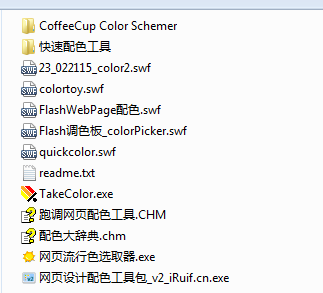
3、前两天说我收藏了一些做WEB的小工具,其中就有配色方案的,如果需要可以去下载。当然现在我说的是在线版的,地址在这里:http://www.mb5u.com/tool/peise/。其实可以把它COPY到本地的,但我目前还是想着算了。。
4、做PPT的时候参考的文章之一:浅谈各浏览器的Javascript引擎。来自于http://blog.csdn.net/maco_wang/archive/2009/11/02/4758573.aspx,主要借鉴了以下的内容:
1、Chrome浏览器的V8 Javascript引擎,使包含大量Javascript的网页装载速度提高30%。
2、Opera宣布新JS引擎"Carakan" 速度提升2.5倍。
3、Firefox 3.5拥有一个全新的JavaScript引擎,叫做TraceMonkey,在该引擎上跑JS应用要比Firefox 3快到3-4倍。
4、safari浏览器新的js引擎squirrelfish非常快。
5、傲游浏览器3.0.3.3 alpha JS引擎升级,脚本执行速度提高9%。
Misc | 评论:0
| 阅读:19287


